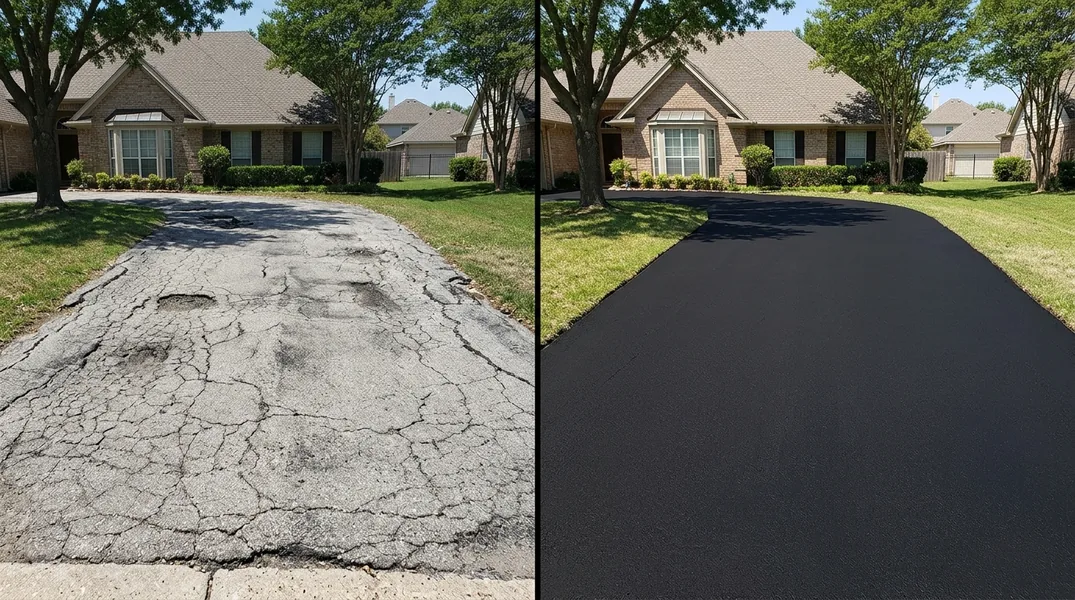
Understanding Driveway Cracks: The First Signs of Trouble
Your driveway is one of the hardest-working surfaces on your property. It endures intense Dallas heat, heavy vehicle traffic, and seasonal weather changes that can wreak havoc on asphalt. One of the earliest warning signs that something is wrong is the appearance of cracks. But not all cracks are created equal, and understanding what you're looking at is the first step toward deciding whether your driveway needs Driveway Repair or a complete replacement.
Hairline cracks, those thin spider-web patterns that appear on the surface, often develop as your asphalt ages and the binder that holds the aggregate together begins to break down. These cracks are typically cosmetic at first, but they're also a red flag. Water can seep into these small openings, and when temperatures drop, that moisture expands and deepens the damage. In the hot Texas climate, thermal stress cycles accelerate this deterioration. If you notice hairline cracks forming across your driveway, it's time to take action before they become more serious problems that require expensive repairs.
Alligator Cracking and Structural Damage: When Repair Won't Cut It
When cracks begin to interconnect and form a pattern that resembles alligator skin, you're looking at a more serious condition called alligator cracking. This type of damage indicates that the structural integrity of your asphalt has been compromised. Alligator cracking typically develops from the bottom up as the base layer weakens, or it can spread rapidly across the surface when water infiltration becomes extensive. At this stage, simple Pothole Repair & Asphalt Patching won't solve the underlying problem.
The distinction between surface-level damage and structural failure is crucial for your wallet and your driveway's future. If your driveway is showing alligator cracking over more than 25 percent of its surface area, replacement is almost certainly the better investment than repeated repairs. Patching an alligator-cracked driveway is like putting a band-aid on a broken bone. The patches may hold for a season or two, but the underlying issues will continue to spread. This is when homeowners in Dallas should seriously consider Asphalt Resurfacing & Overlay or full replacement through professional Asphalt Driveway Paving & Installation.
How Long for Asphalt to Cure: Patience Pays Off
If you've recently invested in a new driveway or had repairs done, understanding the curing process is essential for protecting your investment. Many homeowners don't realize that fresh asphalt isn't immediately ready for regular use. The curing process is gradual, and rushing it can cause permanent damage. During the first 24 to 48 hours, your new asphalt is still quite soft and vulnerable to damage from foot traffic, vehicles, and even sharp objects. The ambient temperature and humidity levels in your area significantly affect how quickly your driveway hardens.
In the Texas heat, asphalt typically cures faster than in cooler climates, but that doesn't mean you should drive on it immediately. The surface may feel firm within a few days, but the asphalt continues to cure and strengthen for up to 30 days. During this time, the oils in the asphalt are still settling, and the material is bonding at the molecular level. Allowing adequate curing time ensures that your driveway develops maximum strength and durability. This is why professional installers always provide clear guidelines about when it's safe to use your new driveway.
How Long Before You Can Drive on New Asphalt: The Real Timeline
So when can you actually drive on your new asphalt driveway? The short answer is: it depends on conditions, but generally you should wait at least 48 to 72 hours before driving on it with regular passenger vehicles. During warm weather, this timeline might be shortened slightly because heat accelerates the curing process. However, even if your driveway feels firm to the touch, the subsurface is still curing. Heavy vehicles, such as trucks or RVs, should not be parked on new asphalt for at least 7 to 10 days, and ideally not for a full month.
The key factor is that fresh asphalt is still plastic and moldable when it's warm. Parking a heavy vehicle on warm new asphalt can leave permanent impressions or soft spots. Additionally, sharp objects like tool boxes or heavy equipment can puncture the surface. Professional asphalt contractors always recommend keeping traffic light during the first week and avoiding parking in the same spot repeatedly during the first month. If you're planning new Asphalt Driveway Paving & Installation, make sure you have a plan for parking your vehicles elsewhere during the initial curing period.
New Asphalt Driveway Care: Protecting Your Investment Long-Term
Once your asphalt has fully cured, the real work of maintenance begins. Proper care during the first year and beyond is what separates driveways that last 15 years from those that deteriorate in half that time. New asphalt driveway care starts with understanding that your surface is exposed to constant stressors: UV rays that break down the binder, water that seeps into small cracks, and weight from vehicles that creates stress fractures. The good news is that most of these problems are preventable with basic maintenance.
One of the most important aspects of new asphalt driveway care is keeping your surface clean. Remove debris, leaves, and standing water regularly. Don't allow oil or chemical spills to sit on the surface, as these substances accelerate asphalt degradation. During winter months, use sand or kitty litter for traction instead of rock salt, which can damage asphalt. And perhaps most critically, plan for seal coating within the first year of installation. A quality seal coat acts as a protective barrier, extending your driveway's life by years and maintaining its appearance.
How Often to Seal Driveway: A Maintenance Schedule That Works
If you're wondering how often to seal driveway surfaces, the answer for most homeowners is every 2 to 3 years. This timeline can vary based on climate, traffic volume, and the quality of your initial installation. In the Texas climate, where intense sun and occasional heavy rains are common, many experts recommend sealing every 2 years to provide maximum protection. The first seal coat should ideally be applied within 6 to 12 months of installation, once the asphalt has fully cured and any initial settling has occurred.
Seal coating is one of the most cost-effective maintenance investments you can make. A fresh seal coat costs a fraction of what repairs or resurfacing would cost, yet it can add 5 to 10 years to your driveway's lifespan. Between seal coatings, inspect your driveway regularly for new cracks or damage. Catching small problems early through routine inspections means you might only need Driveway Repair rather than major work. Most homeowners find that a simple maintenance schedule of regular cleaning, seal coating every 2 to 3 years, and prompt attention to small cracks keeps their driveway looking good and functioning properly for decades.
When to Call a Professional: Getting Your Free Estimate
Deciding whether to repair or replace your driveway isn't always straightforward, which is why professional assessment is invaluable. If your driveway is showing multiple types of damage (cracks, potholes, and surface deterioration), or if repairs have failed in the past, a professional inspection can help you understand your true options. Dallas Asphalt Paving has been serving homeowners throughout the region with honest assessments and quality workmanship. Our team can evaluate your specific situation and recommend the most cost-effective solution, whether that's targeted repairs or a complete replacement.
Don't let uncertainty about your driveway's condition cost you money in the long run. Contact Dallas Asphalt Paving today at (469) 949-4815 to schedule your free estimate. Our experienced professionals will assess the extent of damage, explain your options clearly, and provide transparent pricing so you can make an informed decision. Whether you need a simple seal coat, targeted repairs, or full Asphalt Driveway Paving & Installation, we're here to help. Your driveway is too important to leave to guesswork, so reach out today and take the first step toward a durable, attractive surface that will serve your home for years to come.
Looking for a professional asphalt paving contractor in Dallas? Dallas Asphalt Paving responds fast for all your asphalt paving needs.
Get a Free Quote